



Contactless Biometrics for Digital Services
Quick, Simple, and Reliable Identity Verification in Modern Systems
Summary: Identity verification increasingly happens across both physical and digital environments – opening a bank account remotely, accessing a government service online, or authenticating through a mobile application. Contactless biometrics support this shift by letting users verify their identity using a camera, microphone, or mobile device, without touching a biometric scanner, making the process easier for users while giving organizations a reliable way to confirm identity.
For many organizations, identity verification now happens across both physical and digital environments. A person may need to open a bank account remotely, access a government service online, or authenticate themselves through a mobile application. In each case, the expectation is similar: the process should be quick, simple, and reliable.
Financial reports estimate that global sales of contactless biometric solutions will reach approximately 96.4 billion USD by 2034. As biometric technologies continue to evolve, contactless fingerprint solutions are helping organizations modernize identity verification across government, law enforcement, and commercial sectors.
Contactless biometrics support this shift by allowing users to verify their identity using a camera, microphone, or mobile device, without touching a biometric scanner. This makes the experience easier for the user while still giving organizations a strong method for confirming identity.
Why Is Contactless Biometric Authentication Becoming More Important?
One of the main factors could be that user expectations have changed. People are now used to completing services remotely, often from a smartphone, and they expect identity verification to fit naturally into that experience. Processes that require additional devices, in-person visits, or complicated instructions can create annoyance and slow down digital services.
Contactless biometric authentication helps reduce these inconveniences. Instead of placing a finger on a scanner, a user can present their fingers to a camera. Instead of entering repeated passwords or security codes, they may authenticate using their face or voice. The result is a more convenient process that can still support strong security requirements.
How Does Contactless Biometric Authentication Work?
Contactless biometric authentication uses cameras, microphones, and biometric algorithms to capture and analyze a person's unique characteristics without physical contact with a scanner.
The system captures a biometric sample, extracts the relevant features, and converts them into a digital template. This template is then compared with previously enrolled biometric data to verify the person's identity. Depending on the application, the process can use contactless fingerprints, facial recognition, voice authentication, or a combination of several modalities.

Business Development Director at Neurotechnology
Why Are Contactless Fingerprints a Practical Option?
Fingerprint recognition is one of the most established biometric modalities. It is widely used in civil identification, law enforcement, and access control because it is reliable and well understood.
Instead of pressing fingers onto a scanner, the user presents them in front of a camera. The system detects the fingers, captures the fingerprint images, and extracts the features needed for biometric matching.
This approach is especially useful when organizations want to preserve the strengths of fingerprint recognition while making the capture process easier. It can support remote enrollment, mobile authentication, and self-service identity verification.
Are Contactless Fingerprints Reliable?
One of the main questions organizations ask is whether contactless fingerprint recognition can provide the reliability expected from traditional fingerprint systems.
Although the capture method is different, the biometric principle remains the same. Once the fingerprint image is captured, the system extracts fingerprint features and performs matching using advanced fingerprint recognition algorithms.
At Neurotechnology, contactless fingerprint recognition is built on long-standing expertise in fingerprint biometrics. The company's fingerprint algorithms have been independently evaluated in NIST benchmark tests and deployed in large-scale civil and law enforcement identification systems worldwide.
How Do Face and Voice Authentication Fit Into Contactless Workflows?
Contactless biometrics are not limited to fingerprints. Facial recognition and voice authentication can also help organizations create flexible identity verification workflows.
Facial recognition is particularly convenient because most smartphones, tablets, and computers already include cameras. When combined with liveness detection, facial authentication can also help determine whether a real person is present during the verification process.
Voice authentication offers another contactless option, especially in mobile, remote, or call center scenarios. Since it requires only a microphone, it can provide a simple authentication experience without additional hardware.
Are Contactless Biometrics Secure?
Security remains one of the most important considerations when implementing any biometric system.
Modern contactless biometric solutions use several measures to help protect against fraud and unauthorized access. Biometric templates can be encrypted, and quality assessment technologies can help ensure that captured samples are suitable for accurate matching.
Presentation Attack Detection and liveness detection are also important parts of many contactless biometric workflows. For example, facial authentication systems can help determine whether the person in front of the camera is real, rather than a photograph, video replay, or other spoofing attempt.
Organizations can further strengthen security by combining multiple biometric modalities or integrating biometric authentication into broader identity management and multi-factor authentication systems.
Is a Mobile Phone Enough?
One of the strongest advantages of contactless biometrics is that users can often authenticate using devices they already own.
Modern smartphones are capable of accurately capturing facial images, voice samples, and contactless fingerprints. This makes it possible to perform enrollment and verification remotely without requiring dedicated biometric equipment for every user.
Where Are Contactless Biometrics Used?
Contactless biometric authentication can support a wide range of government, financial, and commercial services.
In the financial sector, it can be used for online banking, payment authorization, and customer verification. Users can confirm their identity remotely, without the interference of a manual operator or bank clerk.
Government institutions can use contactless biometrics for digital public services, citizen registration, and identity verification. Law enforcement and border management organizations can benefit from fast biometric capture while dealing with possible unlawful or suspicious behavior from various individuals.
Businesses can also apply contactless biometrics in access control, visitor management, and other scenarios that demand secure authentication. In these environments, ease of use is important because identity verification often needs to happen quickly and repeatedly throughout the day.
Final Remarks
Contactless biometric authentication is valuable because it brings together convenience, ease of use, security, and practicality. It allows organizations to simplify identity verification without relying on passwords alone or requiring every user to interact with dedicated biometric hardware. Contactless biometrics can help organizations provide secure and efficient authentication experiences that fit the way people already interact with technology.
Related Use Cases and Press Releases
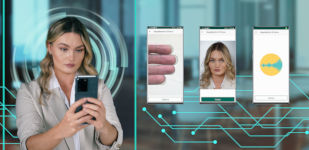
The new version of the system features ISO/IEC 30107-3 Level 2 compliant face liveness detection and enhanced capture controls.
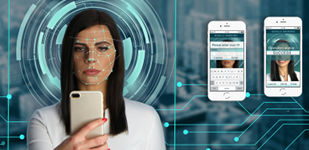
MSC Cruises uses Face Verification system for photos compliance check in the cruise pre-enrollment phase.
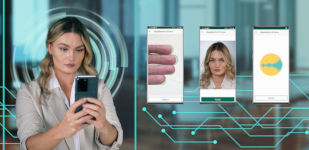
REACT uses MegaMatcher ABIS and MegaMatcher ID systems for identity verification and digital payments solutions.
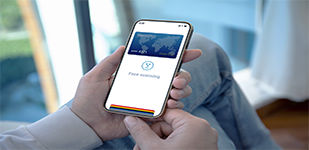
Biometric authentication enhances security and streamlines transactions by replacing traditional passwords.
help you achieve your AI-related goals.


