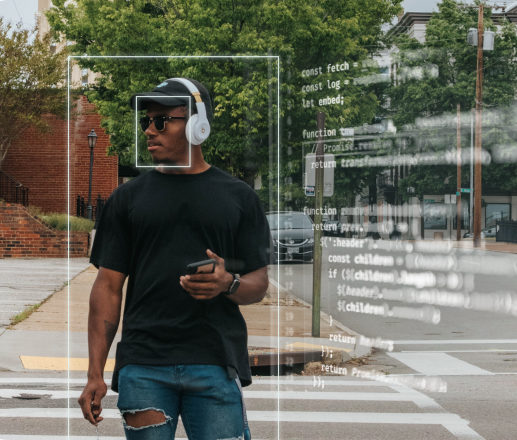
Face algorithm
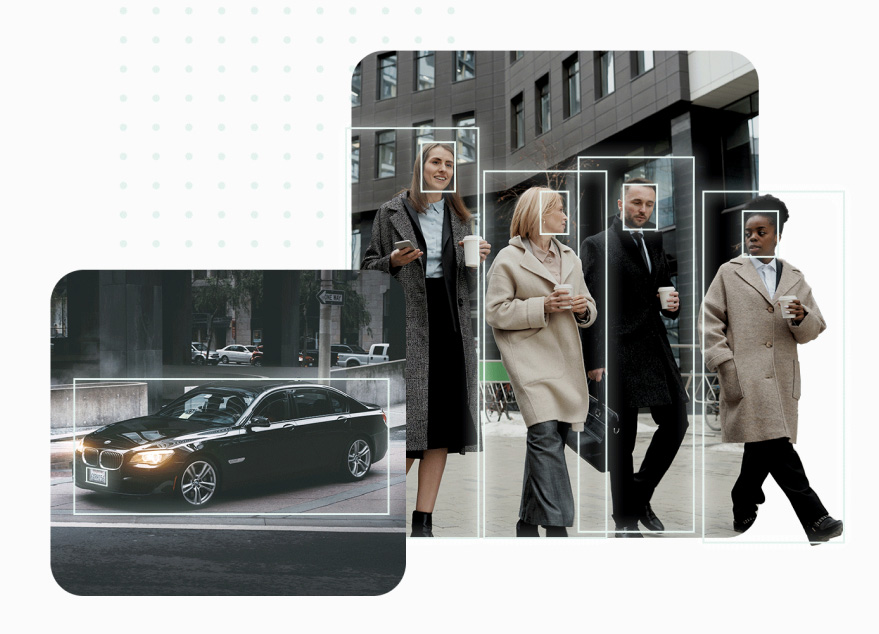
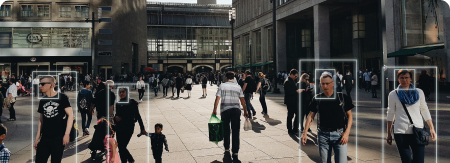
Perform biometric face identification, classification, and face tracking with the help of an award-winning algorithm based on deep neural networks. Configure additional attributes that allow you to detect face coverings, open-mouth, dark glasses, beards, etc.
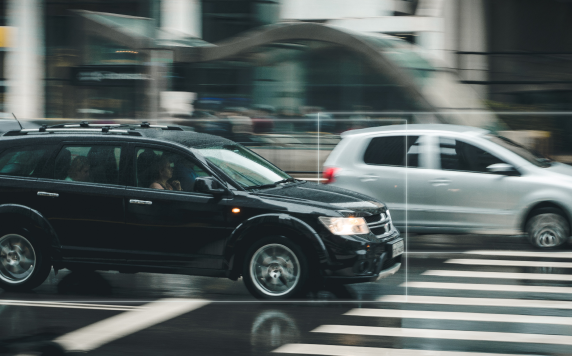
VH (vehicle-human) algorithm
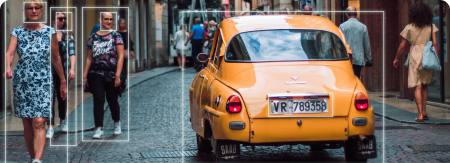
Carry out the vehicle or human detection, classification, and movement tracking from the moment they appear in the field of vision until they disappear. The algorithm returns the color, make, and movement direction estimation among other features.
ALPR (automatic license plate recognition) algorithm
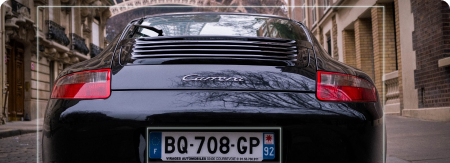
Detect and read the license plate on a stable or moving vehicle. The algorithm can perform reliable detection from both live traffic data streams featuring numerous vehicles as well as parked cars.

We have been using SentiVeillance solutions for 3 years. During this time SentiVeillance technology proved to be a mature and stable solution for face, human, and plates recognition. Not to be underestimated is the fact that working with SentiVeillance Technical Support is a real pleasure. They're professional and always on time with real and accurate help.

We’ve been using SentiVeillance solution in uniPark parking lots for over a year and we are absolutely impressed with the benefits of this technology. The ability to register cars from different camera angles and in total wild scenarios, without barriers or closely placed cameras, gives us new opportunities to provide flexible and cost-effective solutions to the market.

Using SentiVeillance algorithms enabled us to create our own biometric identification system capable of processing video streams and thermal screening. Constant algorithm updates from Neurotechnology keeps software performance at the peak.

We chose SentiVeillance video surveillance solutions because of the ease of incorporating face identification and license plate recognition to our newly established online surveillance management system. Having such technological advantage helped us to stand out from the competition in our field.


We have been using SentiVeillance solutions for 3 years. During this time SentiVeillance technology proved to be a mature and stable solution for face, human, and plates recognition. Not to be underestimated is the fact that working with SentiVeillance Technical Support is a real pleasure. They're professional and always on time with real and accurate help.
Johann Heißinger

We’ve been using SentiVeillance solution in uniPark parking lots for over a year and we are absolutely impressed with the benefits of this technology. The ability to register cars from different camera angles and in total wild scenarios, without barriers or closely placed cameras, gives us new opportunities to provide flexible and cost-effective solutions to the market.
Justinas Doviltis

Using SentiVeillance algorithms enabled us to create our own biometric identification system capable of processing video streams and thermal screening. Constant algorithm updates from Neurotechnology keeps software performance at the peak.
Oleh Amirhuseinov

We chose SentiVeillance video surveillance solutions because of the ease of incorporating face identification and license plate recognition to our newly established online surveillance management system. Having such technological advantage helped us to stand out from the competition in our field.
John More